

THERMAL VS.
NIGHT VISION
Night Vision vs. Thermal: Which One Do You Actually Need?
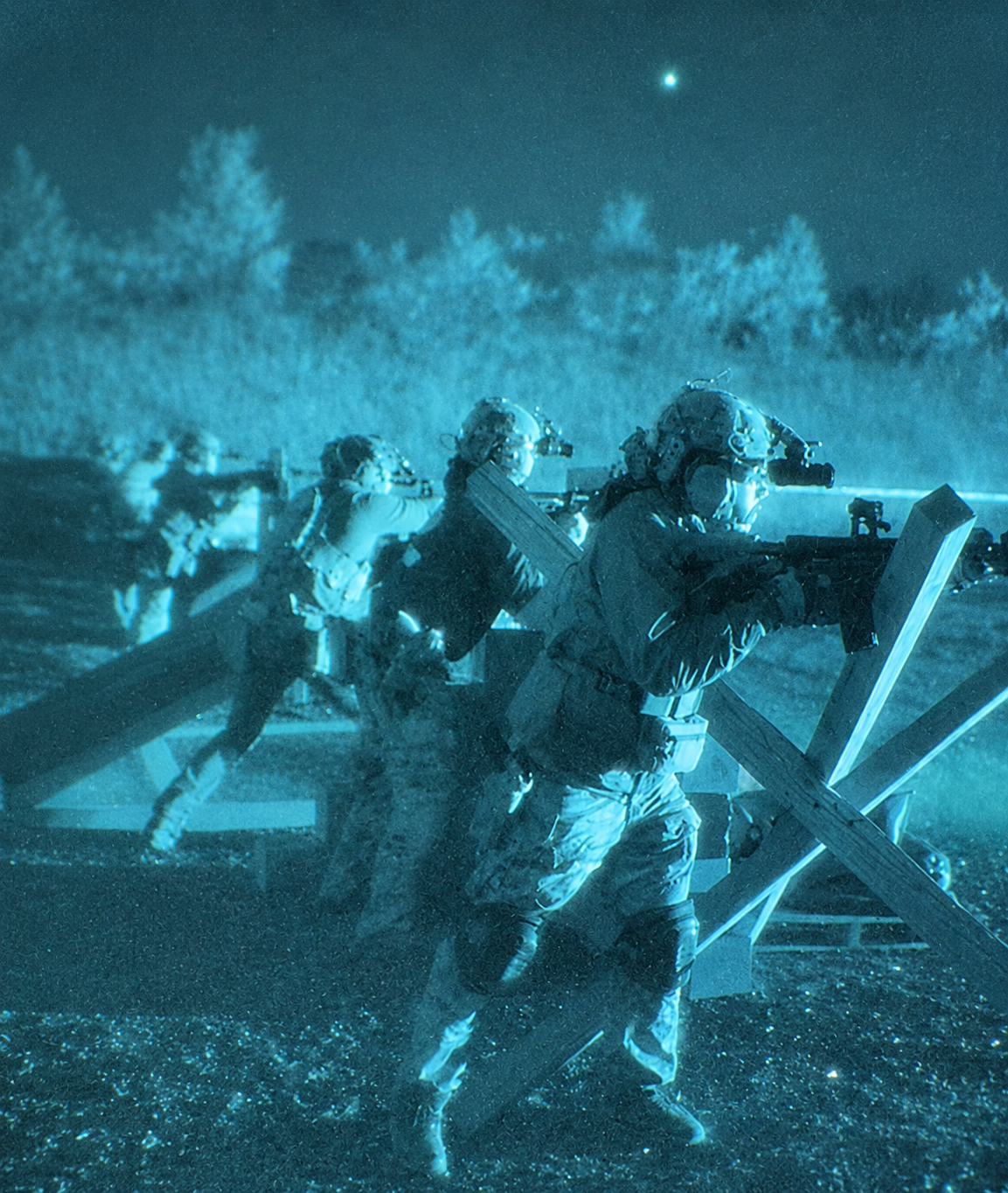
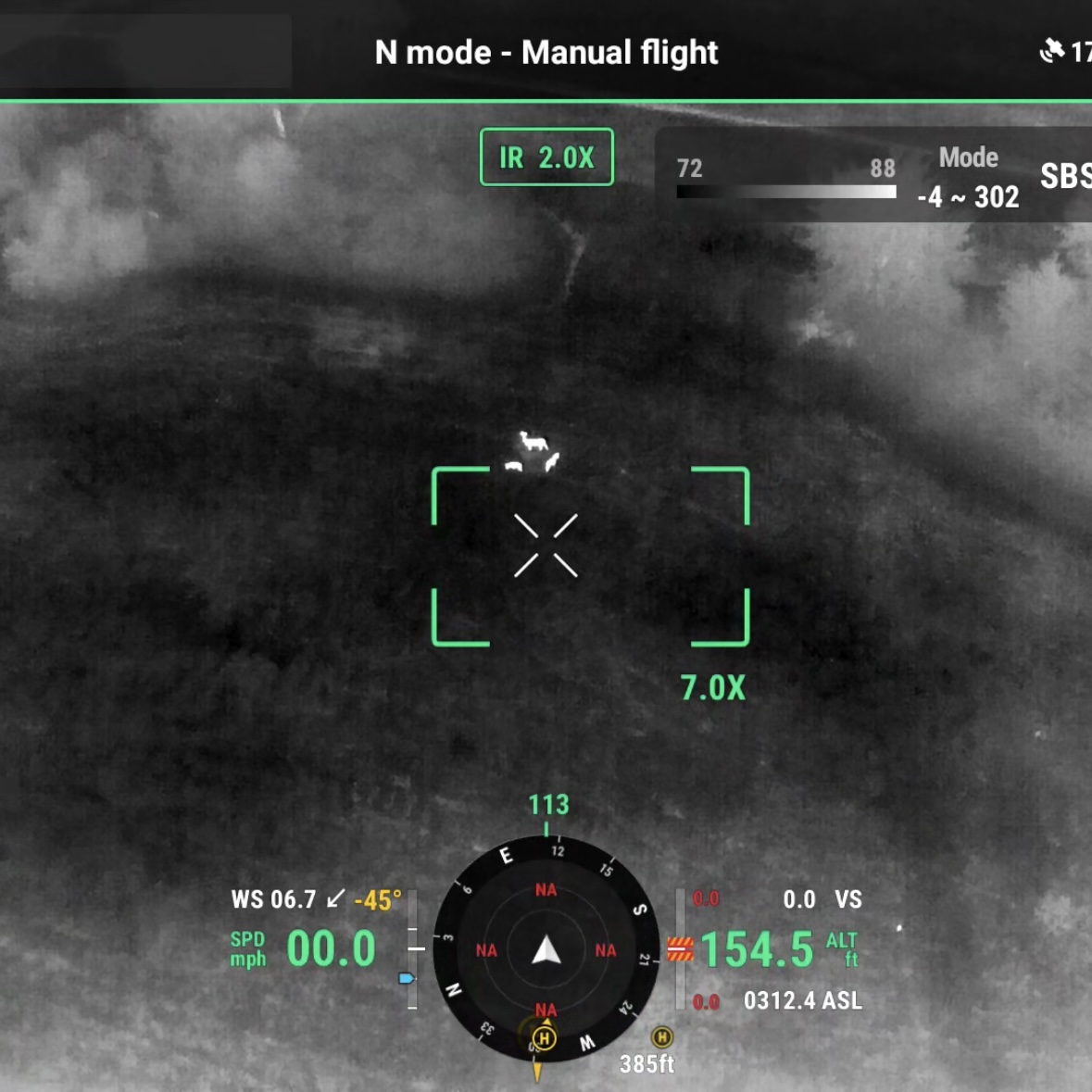
If you’ve spent any time researching night vision, you’ll quickly run into the same question: night vision or thermal? The truth is, they’re not competing technologies but rather they solve different problems. One helps you move and operate at night, the other helps with identification that your eyes (and night vision) can miss.
Here’s a clear breakdown so you can choose the right tool for your needs (and budget).
THE BIG DIFFERENCE
NIGHT VISION (NV)
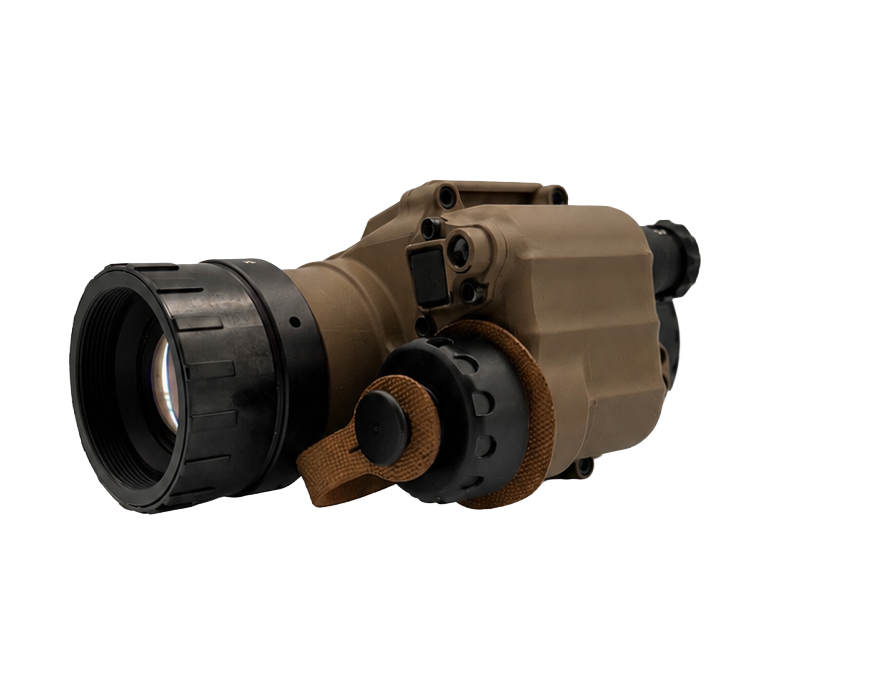
Provides an analog image that amplifies light allowing you to see in the dark and move naturally.
THERMAL
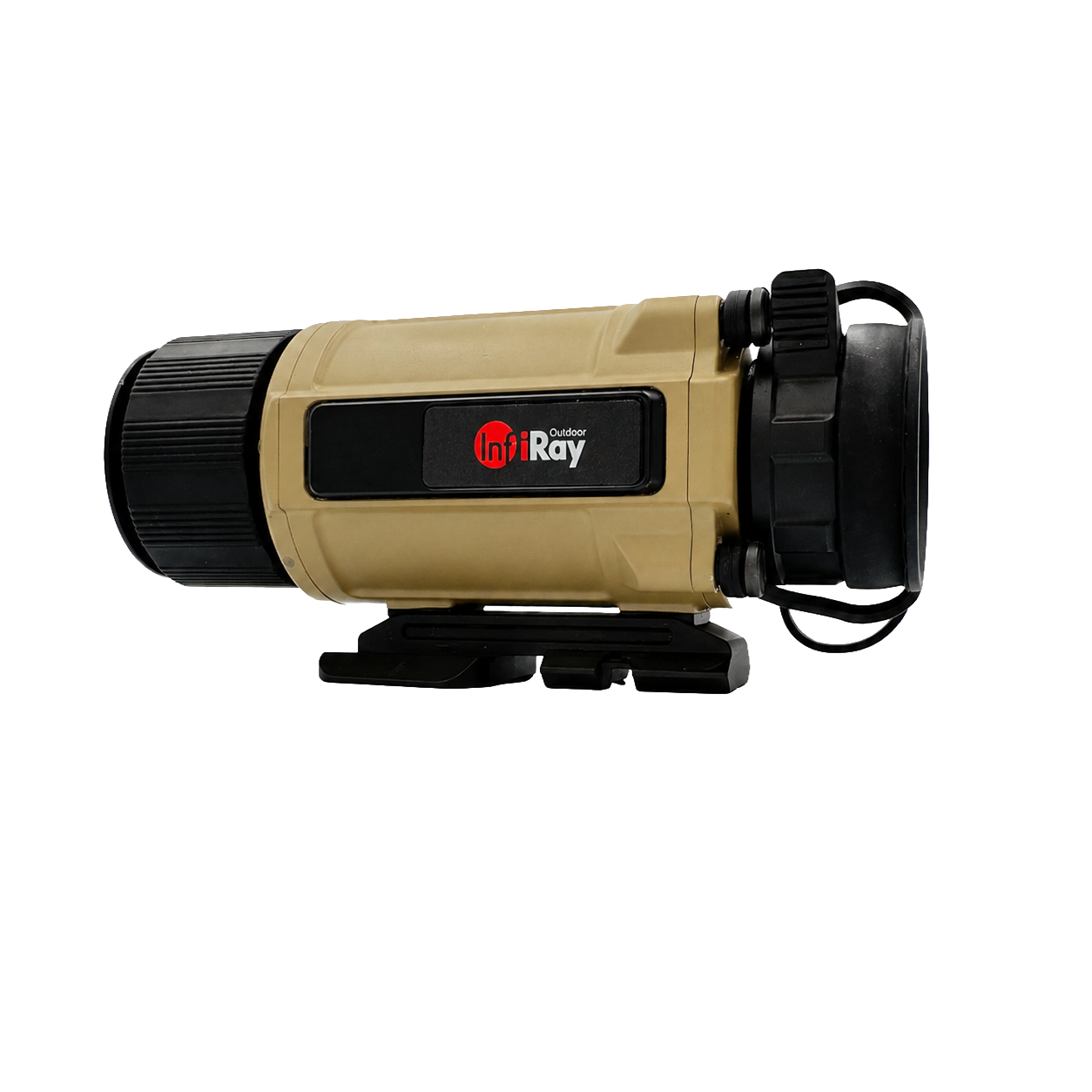
Provides a digital image that lets you detect heat signatures in the absence of light (people/animals/vehicles) fast. Even through shadows, brush, and camouflage.
WHAT NIGHT VISION IS BEST AT
Night vision is your best choice when your goal is to navigate, work, or operate in low light.
- Moving through the woods, around buildings, and over uneven terrain
- Driving/working tasks
- Identifying details like gear, hands, objects, and what someone is doing
- Team movement and general “seeing like it’s nighttime, but visible”
- Finding someone who’s still and blending in
- Picking out targets in deep shadows, dense foliage, or mixed backgrounds
- Total darkness without IR (moonless night, indoors, etc.)
Bottom line: NV is about functionality and movement.
WHAT THERMAL IS BEST AT
Thermal is a detection tool. It doesn’t care about camouflage, darkness. If it’s projecting heat, you’ll see it.
- Spotting people/animals quickly at distance
- Finding movement in heavy brush or dark tree lines
- Locating downed game or tracking heat trails in the right conditions
- Scanning large areas fast (fields, powerlines, wood lines)
- Identifying small details (clothing, gear, what’s in someone’s hands)
- Judging terrain features clearly (holes, branches, wire, trip hazards)
- Shooting through glass (thermal doesn’t see through glass)
- Hot days, warm rocks, or heat-soaked backgrounds that reduce contrast
Bottom line: Thermal is about detection.
WHICH SHOULD YOU BUY FIRST?
Here’s our straight answer based on real-world use:
IF YOU WANT TO MOVE, TRAIN, AND ACTUALLY OPERATE AT NIGHT
Buy night vision first.
Something like a PVS-14 (or a solid binocular setup if budget allows) will completely change what you can do after dark.
IF YOU WANT TO SPOT ANIMALS/PEOPLE FAST OR SCAN LARGE PROPERTY
Buy thermal first.
Thermal is an unbeatable “finder” tool.
IF YOU WANT THE BEST POSSIBLE SETUP
Both.
This is why so many serious users run a helmet-mounted night vision setup and a handheld thermal scanner. NV for movement and detail, thermal for detection.
WE CAN HELP YOU PICK THE RIGHT TOOL
Tell us your budget, your use case, and whether your priority is movement, detail, detection, or a combination of both.
We’ll help you figure out whether night vision, thermal, or a combination setup makes the most sense.
GOOD FIT FOR NIGHT VISION
Navigation, movement, working in the dark, training, driving tasks, and seeing detail.
GOOD FIT FOR THERMAL
Detection, scanning, spotting people or animals fast, and searching large areas efficiently.