

THERMAL FUSION
THERMAL FUSION: THE BEST OF BOTH WORLDS
(Night Vision + Thermal)
If you’ve spent any time under night vision, you’ve probably noticed the tradeoffs:
- Night vision is amazing for moving and seeing detail, but it can miss a person standing still in shadows or brush.
- Thermal is great for detecting heat, but it struggles with movement and reading terrain.
Thermal fusion is designed to solve that problem by blending both technologies into one so you can move under night vision and see heat signatures at the same time.
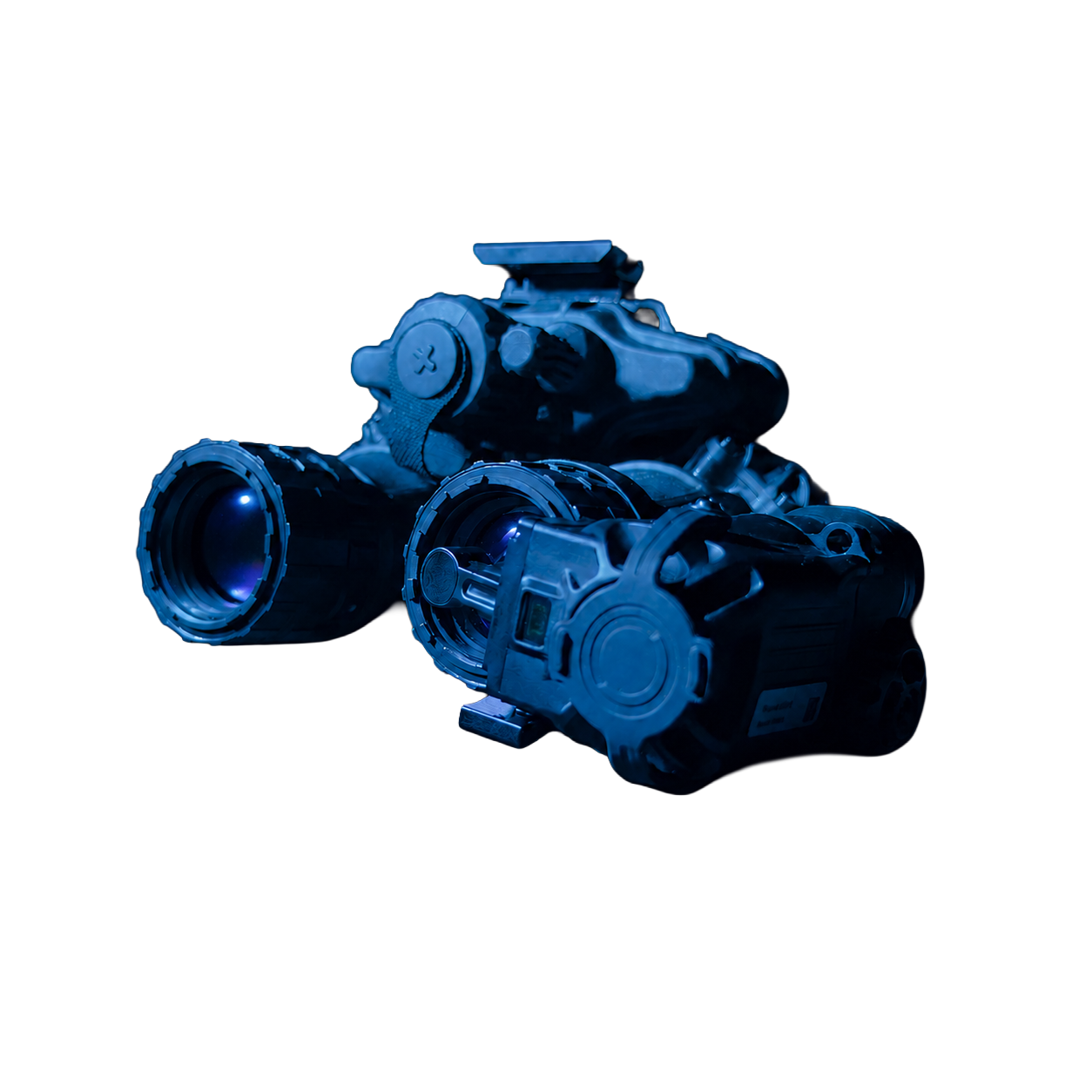
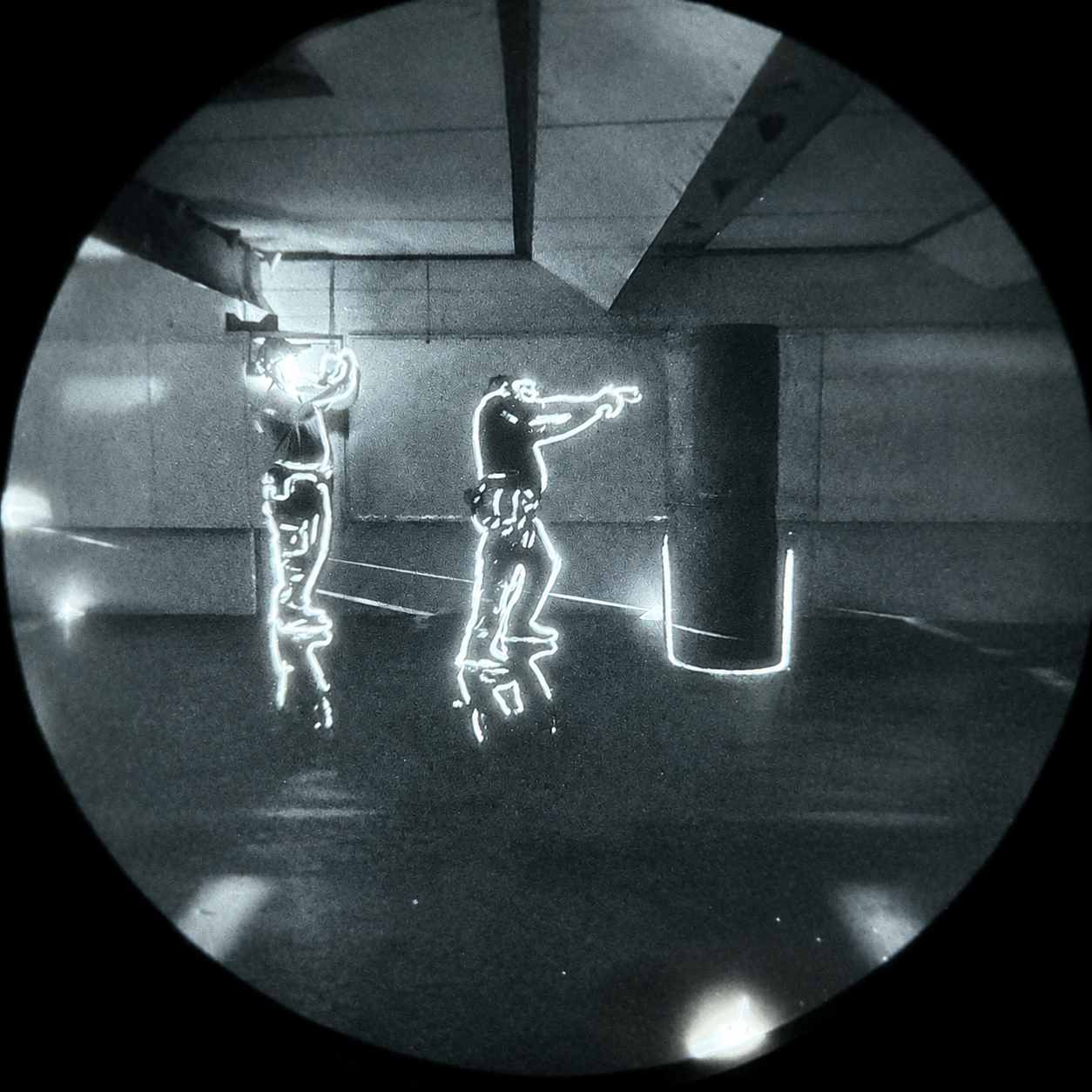
WHAT IS “THERMAL FUSION”
Thermal fusion is when a thermal device is either added on or built into the night vision device. It then projects a fused image to the end user’s eye.
Instead of switching back and forth between thermal and NV, you get a normal night vision image with thermal “hot spots” highlighted or overlaid on top.
WHY FUSION IS A FORCE MULTIPLIER
Fusion helps with the two biggest problems users run into at night:
Detection Without Losing Situational Awareness
Thermal is king at detection. Fusion lets you keep that advantage without losing the depth and detail that night vision provides.
Faster Decision Making
Instead of scanning with thermal, then flipping up NV to move, then swapping again to confirm, fusion reduces that tool switching and keeps you in the flow.
WHERE THERMAL FUSION SHINES
Fusion is especially valuable when you’re dealing with:
Denser Backgrounds And Shadows
People and animals can disappear under NV when they’re not moving. Fusion makes them pop immediately.
Complex Terrain
Thermal alone can hide trip hazards, branches, fences, and uneven ground. Fusion keeps the scene readable so you can move safely.
FUSION VS. “RUNNING BOTH”
A very common and very effective setup is:
- Helmet-mounted NV for movement
- Handheld thermal for scanning
That works extremely well and is often the best value.
Fusion is different. It’s the all-in-one view. The upside is speed and simplicity. The downside is cost and complexity.
TYPES OF FUSION YOU’LL SEE
Not every “fusion” system behaves the same. Most fall into a few categories:
Overlay / Highlight Mode
Thermal shows as a subtle highlight over the NV image.
Outline Mode
Thermal draws an outline around heat sources. This keeps the NV scene clean while still pointing out targets.
WHAT PEOPLE DON’T TELL YOU
Fusion is powerful, but it’s not magic. A few realities:
- Heat-soaked environments like hot rocks, warm buildings, and summer nights can reduce thermal contrast.
- Occlusion still matters: thermal can’t “see through” solid objects. Thick barriers still block heat.
- Digital overlay can look busy if tuned too aggressively.
- Cost climbs quickly compared to traditional NV setups.
- While fusion provides thermal capability, it does not replace a dedicated thermal.
Fusion is for users who need to move under night vision while quickly picking up heat signatures that may be easy to miss. Think movement, detection, and faster decision-making in low-light environments.
WHO SHOULD CONSIDER THERMAL FUSION?
Fusion makes the most sense if you:
- Want maximum situational awareness without swapping tools
- Work in environments where targets blend in, including woodlines, shadows, brush, and mixed terrain
- Prioritize detection speed and streamlined workflow
- Already own NV and thermal and want to step into a higher-end solution
If you’re brand new to night vision, most people are better served starting with:
- Night vision first to move and operate
- Then adding a handheld thermal to scan and detect
Fusion is usually the “level up” after that.
BOTTOM LINE
Thermal fusion is one of the best solutions available for seeing at night because it merges:
- A non-laggy analog image.
- Thermal detection.
It’s the closest thing to a “cheat code” for nighttime awareness. When you choose the right system and set it up correctly.
NEED HELP DECIDING IF FUSION MAKES SENSE?
Tell us what you already own, how you use it, and whether you need speed, detection, movement, or all of it.
We’ll help you figure out thermal fusion is the right next step.